Design · Strategy7 min
Blunt by design: what brutalism buys a commercial brand
Our house style gets called brutalist. Here's what that word means when there's revenue attached to it.
Loading —
Visible structure isn't an aesthetic tic. It's a contract with the reader about where things will be.
Dominic Okafor · · 5 min · Design · Typography
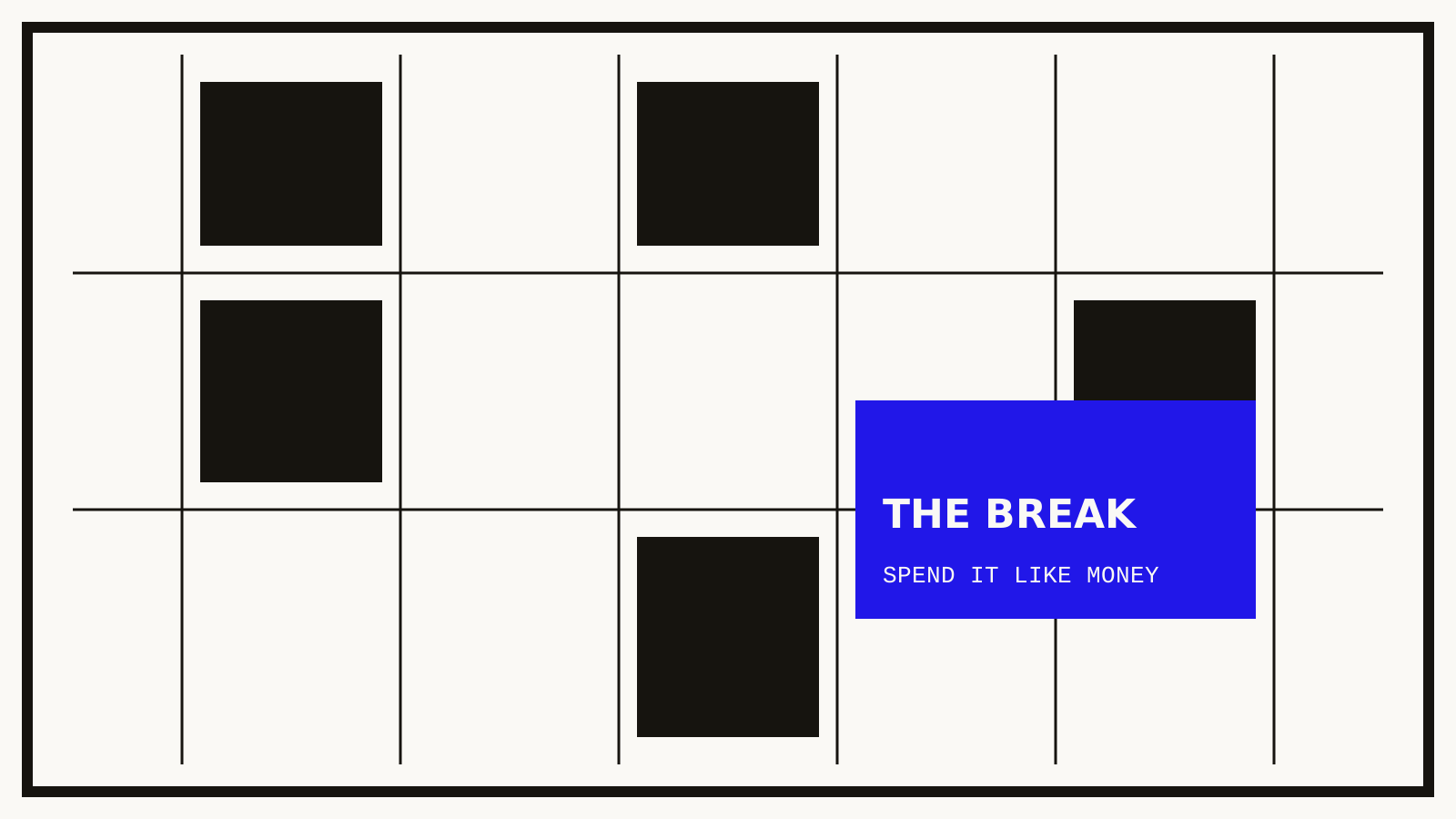
There's a school of layout that treats the grid as scaffolding — necessary during construction, embarrassing if seen after. We belong to the other school. On most of our work the grid is left visible on purpose: ruled columns, exposed baselines, borders where the joins are. Not because it looks 'brutalist', but because a visible structure makes a promise the reader can check.
The promise is consistency. When a bus passenger reads one Tern Transit sign, they've learned to read all four hundred of them: number top left, destination beside it, times in the same column every time. The grid is doing what a brand voice does — telling the reader that the same people, with the same standards, made all of this.
A visible grid also gives you the only kind of emphasis that costs nothing: the break. When every element sits inside its ruled module, one element crossing a rule carries more force than any amount of colour or animation. We budget those breaks like money — Slate & Ember's shop breaks its grid exactly once per page, on the price of the piece you're looking at.
Grids fail when they're inherited rather than derived. A twelve-column bootstrap grid applied to a print archive produces a print archive that reads like a dashboard. The grid should come from the content's own logic — specimen cards, ledger rules, signage panels — and then be enforced without mercy. Derive it once, keep the promise forever.
Our house style gets called brutalist. Here's what that word means when there's revenue attached to it.
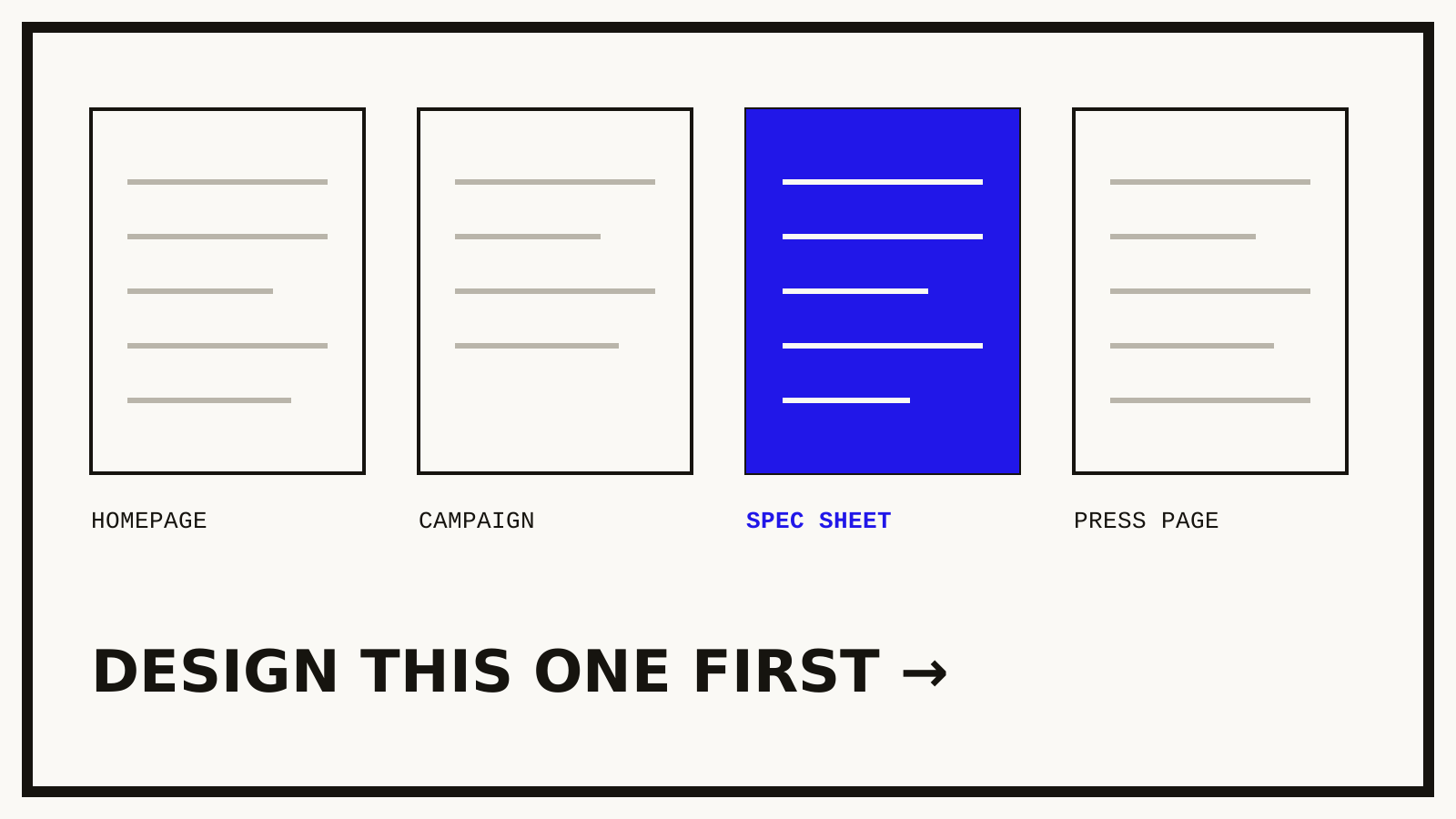
Homepages win awards. Specification sheets win contracts. A defence of starting where nobody is looking.
Eight to ten projects a year. Currently scheduling work for next quarter.
Start something →newwork@foundrynorth.example · +44 161 496 0233