Design · Strategy7 min
Blunt by design: what brutalism buys a commercial brand
Our house style gets called brutalist. Here's what that word means when there's revenue attached to it.
Loading —
Homepages win awards. Specification sheets win contracts. A defence of starting where nobody is looking.
Nell Ashworth · · 6 min · Process · Strategy
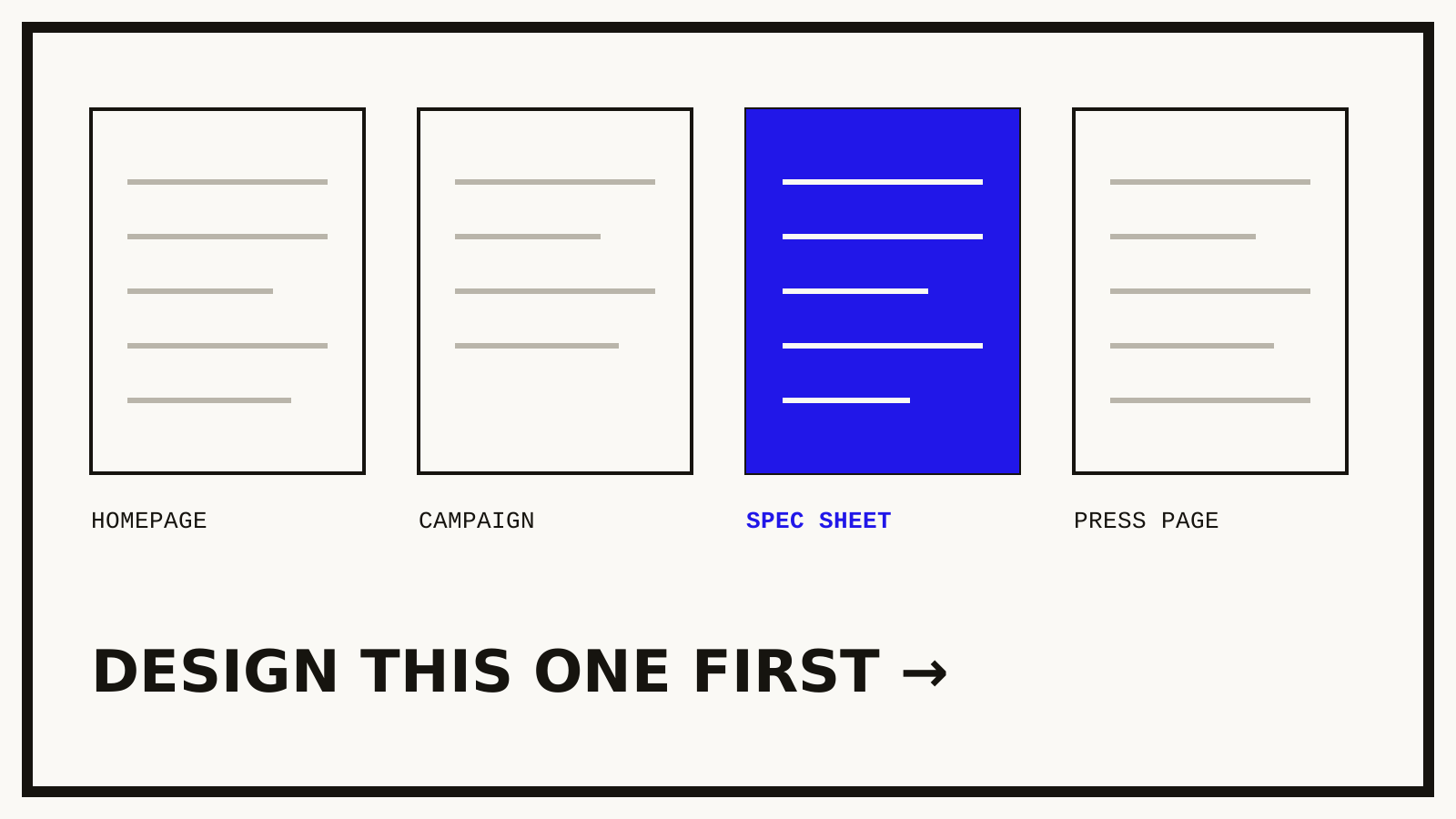
Every project we take on arrives with an imagined homepage. The client has seen it in their head for months: the hero image, the statement headline, the scroll. And on every project, we do the same slightly disappointing thing — we put the homepage at the end of the schedule and start with the pages nobody imagines. The vessel datasheet. The returns policy. The empty cart. The 404.
This isn't contrarianism. It's where the money is. When Halvard Marine made an international coastguard shortlist for the first time, the evaluation feedback didn't mention the homepage. It cited the clarity of the specification pages — documents a procurement officer could lift straight into an evaluation matrix. The homepage got the panel to the specifications. The specifications got the yard on the list.
A visitor on your homepage is being marketed to, and they know it. A visitor on your shipping policy is about to give you money, and they're looking for a reason not to. The tone, clarity, and honesty of the unglamorous pages is where a buyer decides whether the brand upstairs was telling the truth.
The boring pages are also where design systems earn their keep. Anyone can make one hero section look considered. A type and layout system that makes a data table, a legal page, and a sold-out notice all feel like the same confident company — that's the actual work, and you find out early whether your system can do it by starting there.
Here's the part clients don't expect: once the working pages exist, the homepage stops being a blank canvas and becomes a summary. It has real destinations to point to, real evidence to cite, real numbers to set in ninety-six point type. The imagined homepage was fiction. The final one is a table of contents for things that are true — which is why it's better.
Our house style gets called brutalist. Here's what that word means when there's revenue attached to it.
Visible structure isn't an aesthetic tic. It's a contract with the reader about where things will be.
Eight to ten projects a year. Currently scheduling work for next quarter.
Start something →newwork@foundrynorth.example · +44 161 496 0233